
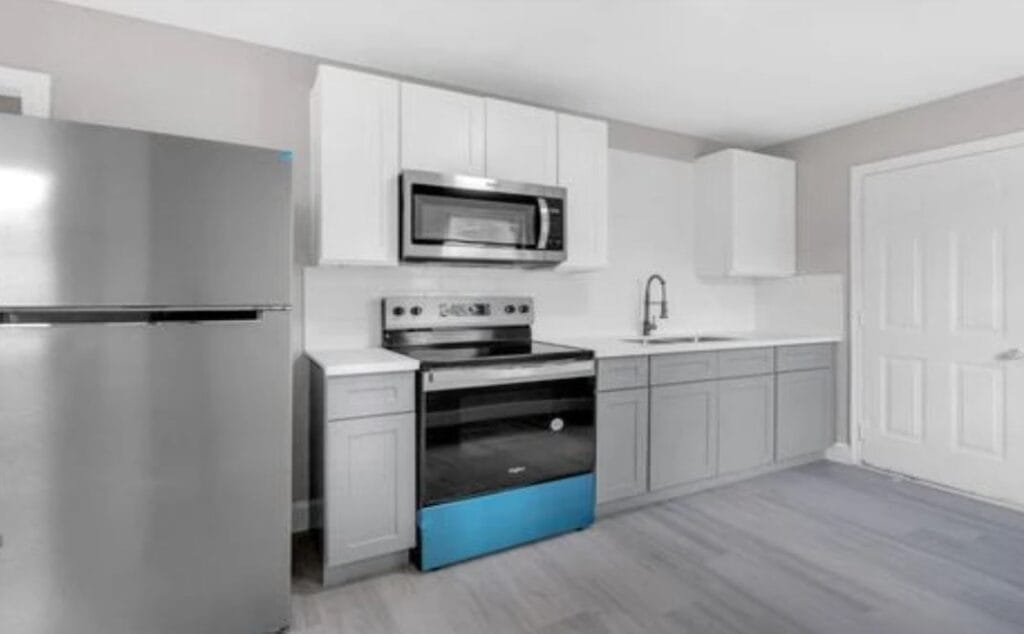
A rental inspection is most valuable when it creates a reliable timeline of property condition. Casual walkthroughs and scattered phone photos leave room for disagreement. A consistent process documents what existed before move-in, what changed during the tenancy, which repairs were reported, and what condition remained at move-out.
For Houston owners, inspections also help identify climate-related risks such as roof leaks, drainage problems, HVAC strain, moisture, and storm damage. A professional property management company should connect inspections to maintenance follow-through rather than treating them as a stand-alone checklist.
Pre-leasing and make-ready inspection
Before marketing begins, inspect safety items, locks, doors, windows, plumbing fixtures, appliances, HVAC operation, walls, flooring, landscaping, drainage, and visible signs of moisture or pests. Confirm that approved work has actually been completed and that the home is clean enough to photograph.
This inspection protects leasing performance. A property that is marketed before it is truly ready can produce weak photos, disappointing showings, and avoidable vacancy.
Move-in condition documentation
At move-in, create room-by-room photographs or video with dates and descriptive notes. Record existing scratches, stains, nail holes, appliance condition, yard condition, meter readings where appropriate, and the number of keys or access devices provided. Give the tenant the required condition form or process and retain the completed record.
Good documentation is neutral. It protects the tenant from being charged for a pre-existing condition and protects the owner when new damage is clearly established.
Routine occupied-property checks
Routine inspections should be scheduled and conducted in accordance with the lease and applicable law. The purpose is not to intrude on the tenant’s daily life. It is to observe property condition, identify unreported maintenance, verify obvious lease-compliance matters, and plan repairs.
Important Houston checkpoints include HVAC filter condition, plumbing leaks, water stains, exterior drainage, fence and gate condition, tree contact with the roof, smoke and carbon-monoxide devices where applicable, and visible signs of unauthorized alterations or occupancy.
Organized property management Houston turns observations into work orders, approvals, vendor visits, and documented resolutions.
Move-out inspection
Use the move-in record as the baseline. Compare the same rooms, surfaces, fixtures, appliances, and exterior areas. Distinguish ordinary deterioration from tenant-caused damage, and support any proposed security-deposit deduction with photos, invoices, estimates, and lease terms.
Texas law does not allow a landlord to retain a residential security deposit for normal wear and tear. That makes consistent records essential. The inspection should document facts; the owner or manager should then apply the lease and current law to those facts.
Build one repeatable system
A sound inspection process includes:
- Standard checklists for each inspection type.
- Date-stamped wide and close-up photos.
- Written notes that identify location and condition.
- Tenant-reported issues attached to the property record.
- Work orders linked to findings.
- Completion evidence and invoices.
- Secure record retention.
360 Property Management & Realty provides property oversight, inspections, maintenance coordination, lease management, and tenant-deposit support as part of its broader property management services. That continuity makes the inspection record useful from make-ready through move-out.

360 Realty & Property Management
360 Realty & Property Management Your one-stop complete property management solution that will ensure your property will generate income.
Get Started Today!